The New Map of Luxury Hospitality: Six Hotel Openings to Know
From a culinary-focused inn in California to a resort in the Mexican Caribbean, these new properties illustrate the different directions luxury hospitality is taking.
A luxury hotel is no longer defined by a checklist of amenities alone.
A spa, an excellent restaurant, a well-appointed room, and attentive service remain important. But the most distinctive properties increasingly build their identities around something more specific: a culinary philosophy, a strong sense of place, a connection to local culture, or an experience that guests cannot easily replicate elsewhere.
This autumn's hotel-opening calendar offers several examples of that approach.
Across California, Idaho, Georgia, Louisiana, New York, and Mexico, six properties illustrate how differently luxury hospitality can be interpreted.
1. The Selvedge, A SingleThread Inn — Healdsburg, California

Photo via The Selvedge Inn
A culinary identity at the centre of the stay
The Selvedge brings the hospitality philosophy of the team behind SingleThread, the three-Michelin-starred restaurant, into a ten-room inn in Sonoma wine country.
Housed in a former Victorian home near the Russian River, the property draws on the owners' experiences living and travelling in England. Its interiors include a library and parlor, while the guest experience incorporates English-inspired touches such as afternoon tea and Sunday roasts.

Photo via The Selvedge Inn
The culinary connection is central to the concept.
Breakfast is prepared by the restaurant's team, and guests receive a guaranteed dinner reservation at the restaurant. During harvest season, when demand for sought-after Sonoma dining experiences can be high, that connection is particularly useful.
The property demonstrates how a hotel can build its identity around an existing culinary reputation rather than treating food as one amenity among many.
What makes it interesting: The integration of a destination restaurant with a small, characterful inn.
2. The Observatory, A Viceroy Resort — Ketchum, Idaho
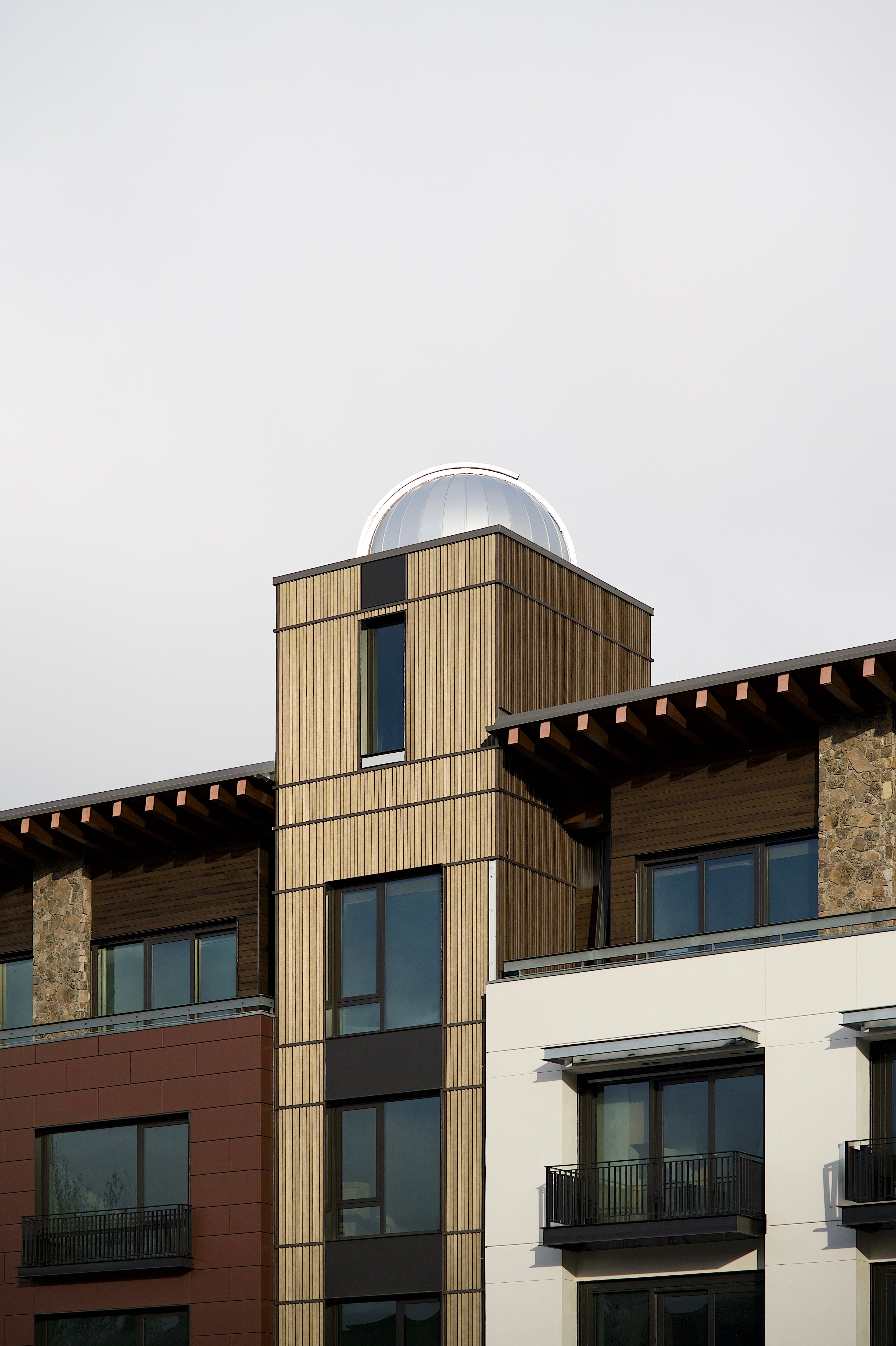
Photo via The Observatory
A mountain retreat with a different point of view
Sun Valley has long attracted visitors for its skiing, mountain setting, and relative discretion. The Observatory introduces another dimension to the destination: astronomy.
Located within the Central Idaho Dark Sky Reserve, the property includes 73 guest rooms, 12 penthouses, a full-service spa, and a rooftop observatory. Its programming includes stargazing sessions and experiences led by a local astronomer and celestial photographer.

Photo via The Observatory
The observatory gives the hotel a defining feature beyond its accommodation and spa facilities.
It also connects the guest experience to the surrounding environment. The night sky becomes part of the reason to stay, alongside the more familiar attractions of a mountain destination.
This is a useful example of experience-led hospitality: an identifiable concept that influences the activities available to guests and gives the property a distinct character.
What makes it interesting: A hotel concept built around a natural feature of its location.
3. Recess Hotel & Club — Savannah, Georgia

Photo via Recess Hotel & Club
Historic architecture meets a social hotel concept
Recess occupies Savannah's historic Manger Building, which was originally constructed in 1912.
The 221-room property reinterprets the building through a colourful, contemporary design philosophy. Its facilities include a rooftop pool and bar, communal areas, and recreation rooms stocked with games.

Photo via Recess Hotel & Club
Rather than treating the historic building as a backdrop for a traditional hotel, the concept uses it as the foundation for a more contemporary social environment.
That approach reflects a broader design challenge for historic hospitality properties: preserving architectural character while creating an experience that feels relevant to modern guests.
Recess takes a deliberately playful approach. Its public spaces are intended to be part of the attraction, not merely places guests pass through on the way to their rooms.
What makes it interesting: The combination of adaptive reuse, contemporary design, and social programming.
4. The Warbler Hotel — New Orleans, Louisiana

Photo via The Warbler Hotel
A sense of place built into the design
Located on St. Charles Avenue in New Orleans' Garden District, The Warbler takes its cues from the city's architectural character and cultural history.
The 58-room property draws on Streamline Moderne design, while its development has involved local specialists across architecture, interiors, and hospitality.
That local involvement is central to the hotel's identity.

Photo via The Warbler Hotel
A hotel can borrow a visual language from almost anywhere. Creating a convincing connection to its destination requires a more considered approach—one that reflects the architecture, cultural references, and people that make the location distinctive.
The Warbler offers an example of how a property can establish that connection through both design and its operating concept.
What makes it interesting: A design-led hotel that draws its identity from the city around it.
5. Oyster Estate — Greenport, New York

Photo via Oyster Estate
A boutique hotel rooted in its community
Oyster Estate reimagines the former Greenporter Hotel as a 34-room boutique property in Greenport, a village on Long Island's North Fork.
The redesign introduces warm neutral tones, wood finishes, textured ceilings, and a refreshed courtyard pool. The property also includes Fortune Favors, an Asian-inspired restaurant and cocktail bar.
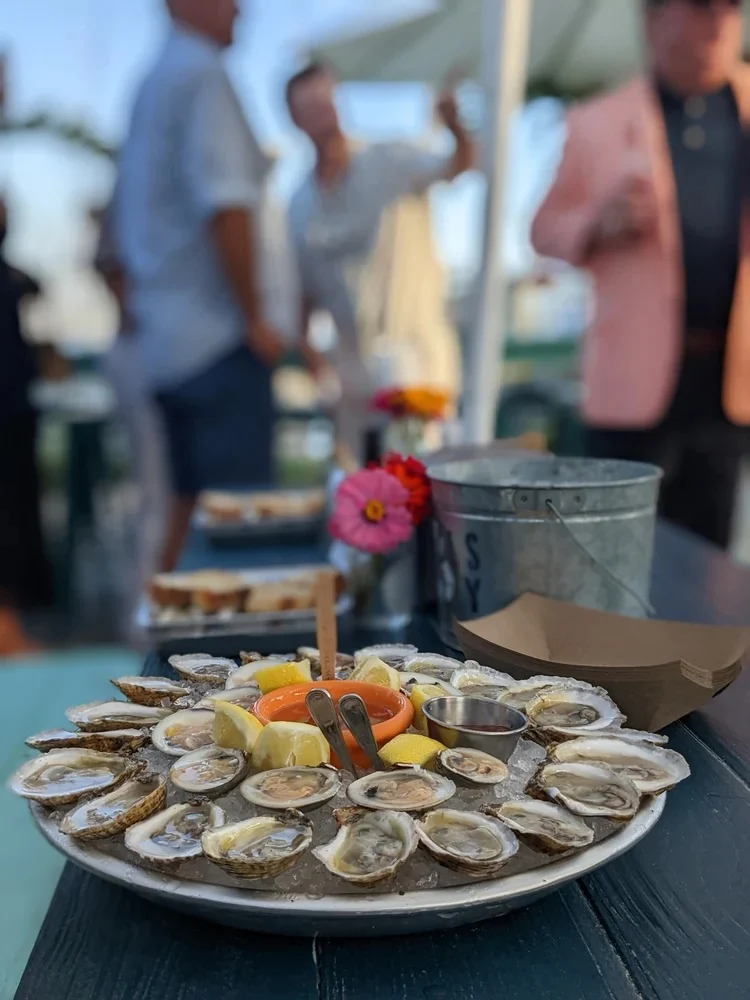
Photo via Oyster Estate
Its location is an important part of the proposition.
Greenport sits within a region known for vineyards, farms, and small-town coastal character. The hotel provides a base from which guests can explore that environment without necessarily staying at a sprawling destination resort.
It also illustrates how a smaller property can use design and public spaces to create a distinct identity without relying on sheer scale.
What makes it interesting: The reinvention of an established local hotel as a more design-conscious boutique property.
6. Park Hyatt Riviera Maya — Mexico

Photo via Park Hyatt Riviera Maya
A different interpretation of all-inclusive luxury
Park Hyatt Riviera Maya represents a notable development for the brand: its first all-inclusive resort.
Located between Cancún and Puerto Morelos, the property has 152 guest rooms overlooking the Caribbean, seven dining venues, a spa, and access to El Tinto Golf Course. Each guest also receives a dedicated Resort Ambassador.
The all-inclusive model has traditionally covered a broad range of hospitality experiences, from casual family resorts to more exclusive properties.

Photo via Park Hyatt Riviera Maya
Park Hyatt's entry is interesting because it brings an established luxury-hotel brand's approach to dining, service, and design into that model.
The question is not whether all-inclusive hospitality is inherently more or less luxurious than a traditional hotel stay. It is how the experience is designed, what is included, and how consistently the property delivers on its positioning.
What makes it interesting: The application of a luxury hotel brand's service model to an all-inclusive resort.
What these openings tell us about luxury hospitality
These six properties do not point toward a single dominant style of luxury hotel.
Instead, they illustrate several distinct approaches.
Some build their identities around culinary expertise. Others use architecture, local culture, natural surroundings, or a particular activity to distinguish the experience. Still others rethink established hospitality formats.
The common element is intentionality.
A property's identity becomes more compelling when its design, service, location, and programming reinforce a coherent idea. That does not mean every hotel needs an unusual concept or an extensive list of activities. It means the experience should feel connected to what the property is trying to offer.
For travellers, that makes the decision about where to stay more interesting than comparing room sizes or amenities alone.
The more useful question may be: What kind of experience is this property designed to deliver and is it the one I want?
As these new hotels establish themselves, their success will depend on more than the novelty of their openings. Design and positioning can attract attention, but service, consistency, and the quality of the experience determine whether a property earns a lasting reputation.
The most interesting hotel is not necessarily the one with the most amenities. It is the one with the clearest sense of what it wants to be.